If you’re experiencing suicidal thoughts and need support, know that you are not alone.
-
Contact ISK via phone at 269-373-6000.
-
Our Behavioral Health Urgent Care & Access Center is open 24/7 with emergency mental health support at 440 W. Kalamazoo Avenue.
-
Contact MCR (Mobile Crisis Response) by calling 988 and asking for MCR. Available 24/7.
-
You can also call 988, the National Suicide & Crisis Lifeline at any time.
-
In a life-threatening emergency, call 911.
WARNING SIGNS & QUESTIONS
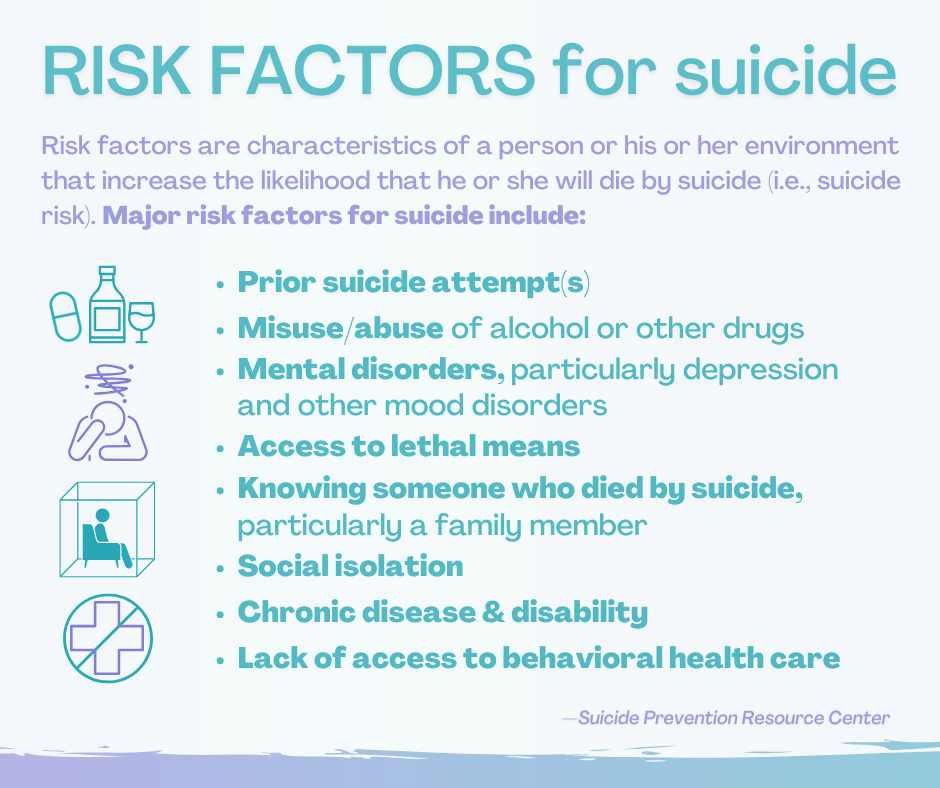
POTENTIAL WARNING SIGNS
-
Suicidal Ideation
-
Feeling Hopeless/Helpless
-
No Reason to Live
-
Unbearable Pain
-
Burden to Others
-
Feeling Trapped
-
Anxious
-
Pacing
-
Agitated
-
Irritable
-
Rage
-
Self-Harm
-
Isolated
-
Withdrawn
-
Giving Away Possessions
-
Active Hallucinations
-
Change in Sleep Habits
-
Change in Appetite
-
Increase in Drug and/or Alcohol Use
-
Talking About Wanting to Die or Kill Themselves
-
Looking for a Way to Kill Themselves
-
Reckless Behavior
-
Mood Swings
-
Tearfulness/Depressed Mood
-
Sudden Interest or Disinterest in Religion
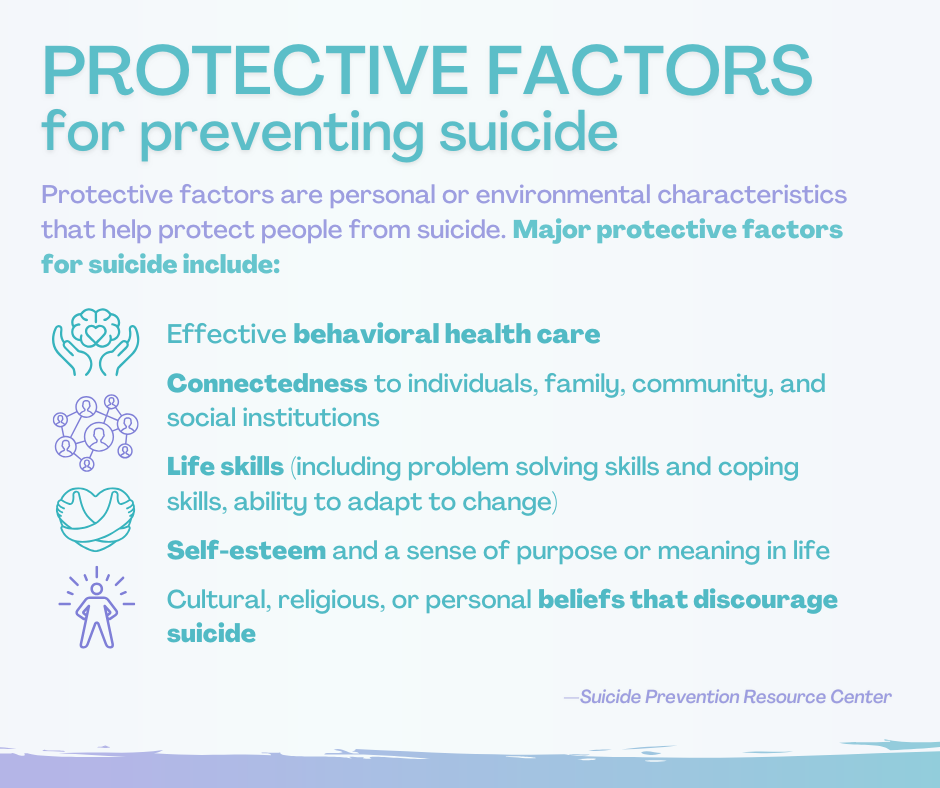
For more information about warning signs from the Suicide Prevention Resource Center, click here.
QUESTIONS TO ASK
if you suspect someone may be at risk for suicide:
1) Are you thinking about killing yourself?
2) Are you thinking about suicide?
3) Do you have a plan for how you would kill yourself?
4) Do you have access to lethal means?
(This list is not all-inclusive. For more information, read How to Talk (and Listen) to Someone Experiencing Suicidal Thoughts from the National Alliance on Mental Illness.)
GET INVOLVED IN PREVENTION
Learn more (and talk to others!) about the role we all play in preventing suicide in our community. Here are some toolkits & resources to help anyone, anywhere get involved.
LOCAL AND NATIONAL RESOURCES
SPAN: Suicide Prevention Action Network, Kalamazoo County
SAVE – Suicide Awareness Voices of Education
BeThere: Learn to show support
Zero Reasons Why: Storytelling & community mobilization campaign to remove stigma
Six Feet Over: Suicide loss survivors, financial assistance
TAPS: Tragedy Assistance Programs for Survivors
Trevor Project: Suicide prevention and crisis intervention for LGBTQ+ young people.
KnowResolve: Promoting mental health and preventing youth suicides through outreach, advocacy and education.
Comfort Zone Camps: Free programs for children who have experienced the death of a parent, sibling, primary caregiver, or significant person.
Society for Prevention of Teen Suicide
AFSP: American foundation for Suicide Prevention (Click here to find a support group.)
SPRC: Suicide Prevention Resource Center
AAS: American Association of Suicidology
With One Voice: Statewide suicide prevention coalition
NAMI: National Alliance on Mental Illness
SAMHSA: Substance Abuse & Mental Health Services Administration
Dougy Center: National Grief Center for Children & Families
OUTREACH TO SUICIDE SURVIVORS
IMMEDIATE SUPPORT to families at the time of a suicide death:
Kalamazoo L.O.S.S. (Local Outreach to Suicide Survivors) Team: 269-998-9590
Works with the Kalamazoo County Sheriff’s Office Victim Services Unit, other law enforcement agencies and the medical examiner’s office to provide support to suicide loss survivors immediately or soon after a suicide loss. At least one L.O.S.S. team member is a survivor of suicide loss. Assistance includes information on support groups, links to counseling, helpful book recommendations, and supportive listening.
Survivors of Suicide Loss (SOS-L) Support Groups:
IN-PERSON GROUPS
Gryphon Place, Kalamazoo: Contact Gryphon at 269-381-HELP (4357)
Summit Point, Battle Creek: Contact Scott Teichmer at 269-441-5907
United Steps, Charlotte: Register at united-steps.org
Pivotal, St. Joseph County
VIRTUAL GROUPS
ZERO SUICIDE MODEL
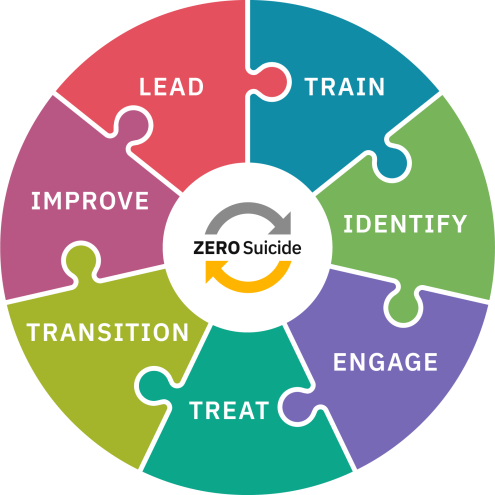
ISK uses the Zero Suicide Model. This chart illustrates the Zero Suicide Model’s seven core components of suicide care in health systems. Visit Zero Suicide Toolkit for an interactive tool that explains each one.
Zero Suicide is a way to improve suicide care within health and behavioral health systems. The foundational belief of Zero Suicide is that suicide deaths for individuals under the care of health and behavioral health systems are preventable. For systems dedicated to improving patient safety, Zero Suicide presents an aspirational challenge and practical framework for system-wide transformation toward safer suicide care. To learn more, click here.